Dentures
Restore Your Smile with Dentures
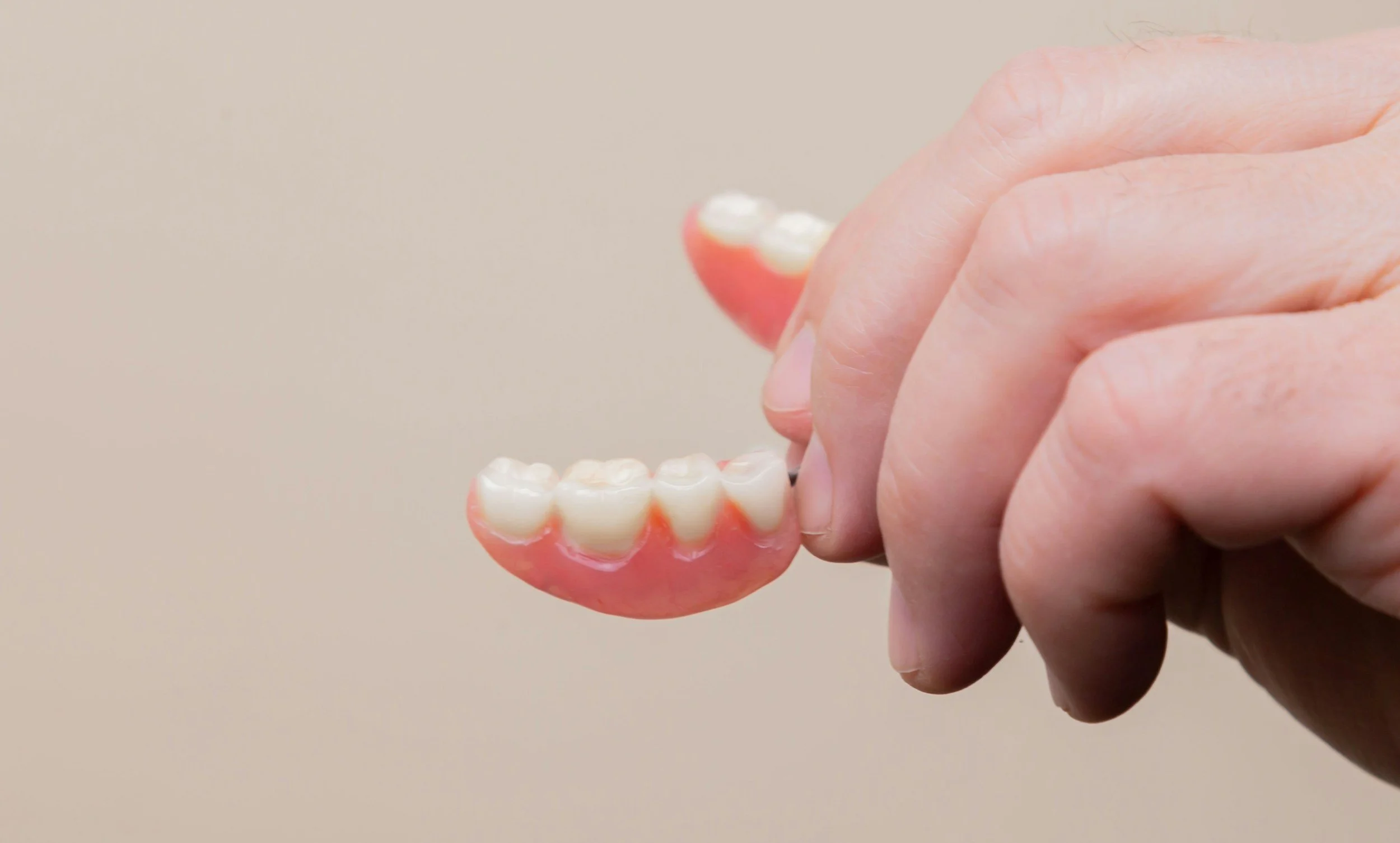
Dentures are removable dental appliances designed to replace multiple missing teeth and help restore everyday functions such as eating, speaking, and smiling. They can also support the appearance of the face by replacing the space left by missing teeth.
At Brighouse Dental, we provide personalized denture care based on the number of missing teeth, the condition of your gums and remaining teeth, and your individual comfort and lifestyle needs. We also offer immediate dentures, which may be placed shortly after tooth extraction so patients can avoid being without teeth during the initial healing period.
When Dentures May Be Considered
Dentures may be a suitable option when several or all teeth are missing, severely damaged, or cannot be predictably restored.
You may wish to discuss dentures with your dentist if you experience:
Multiple missing teeth
Difficulty chewing certain foods
Changes in speech caused by missing teeth
Teeth that are severely damaged or loose
Advanced gum disease affecting tooth stability
Significant gaps affecting your smile
Difficulty maintaining function with your remaining teeth
A dental examination can help determine whether dentures or another tooth-replacement option would best suit your needs.
Complete Dentures
Complete dentures are designed to replace all of the teeth in the upper jaw, lower jaw, or both.
They are custom-made to fit over the gums and are designed to restore the appearance and basic function of a full set of teeth. The fit of a complete denture depends on factors such as the shape of the jaw, gum tissues, saliva, and changes that occur after tooth loss.
Your dentist will assess your mouth and discuss what you can realistically expect from treatment.
Partial Dentures
Partial dentures replace several missing teeth while allowing you to keep your remaining natural teeth.
They are designed to fit around existing teeth and may use clasps or other supporting components to help keep the appliance stable. Partial dentures can help improve chewing, appearance, and speech while filling spaces left by missing teeth.
The design will depend on the location of the missing teeth and the condition of the remaining teeth and gums.
Immediate Dentures
Immediate dentures are prepared before certain teeth are removed and can usually be placed soon after the extraction procedure.
One of their main advantages is that you do not have to remain without teeth while your gums begin to heal. They may also help support appearance and speech during the healing period.
However, the gums and jawbone naturally change shape after extractions. Because of this, an immediate denture may require adjustments, relining, or eventual replacement as healing progresses.
Traditional Dentures
Traditional dentures are generally made after the gums and extraction sites have had time to heal.
Because more healing has occurred before the denture is created, the fit may be more stable initially. Your dentist will discuss whether immediate or traditional dentures are more appropriate based on your treatment plan and personal preferences.
What to Expect During Denture Treatment
Denture treatment typically begins with a dental examination to assess your gums, remaining teeth, bite, and jaw structure.
Measurements, impressions, or digital scans may then be taken to help create a denture that fits your mouth. Depending on the type of denture, several appointments may be required to evaluate fit, appearance, bite, and comfort.
Once the denture is ready, your dentist will explain how to insert, remove, clean, and care for it.
Adjusting to New Dentures
It is normal for new dentures to feel unfamiliar at first. Your mouth, tongue, and facial muscles may need some time to adjust to the new appliance.
During the adjustment period, you may notice:
Mild pressure or tenderness
Increased saliva
Small changes in speech
Difficulty chewing certain foods
Areas where the denture feels tight or loose
These concerns often improve with practice and professional adjustments. If the denture causes persistent soreness or irritation, contact the clinic rather than attempting to adjust it yourself.
Eating with Dentures
Eating may feel different when you first begin wearing dentures. Starting with softer foods and smaller bites can make the adjustment easier.
As you become more comfortable, you can gradually return to a wider variety of foods. Chewing evenly on both sides of the mouth may help improve denture stability.
Very hard or sticky foods may be more difficult to manage and should be approached carefully.
Caring for Your Dentures
Proper cleaning helps keep dentures comfortable, fresh, and in good condition.
General denture care includes:
Removing and cleaning dentures regularly
Brushing the denture with an appropriate denture brush
Cleaning your gums, tongue, and any remaining teeth
Rinsing the denture after meals when possible
Following your dentist’s instructions for overnight storage
Avoiding very hot water, which may distort the denture
Attending regular dental examinations
Even patients with complete dentures should continue routine dental visits so the gums, jaw, and oral tissues can be monitored.
Dentures and Oral Health
Dentures replace missing teeth, but they do not eliminate the need for oral care. Gum tissues and any remaining natural teeth still require regular cleaning and professional examination.
Over time, changes in the jawbone and gums can affect how dentures fit. A denture that becomes loose may cause irritation, difficulty chewing, or movement during speaking.
Periodic adjustments or relining can help maintain comfort and function.
Dentures Versus Other Tooth-Replacement Options
Dentures are one of several ways to replace missing teeth. Depending on your oral health and treatment goals, other options may include:
Dental implants
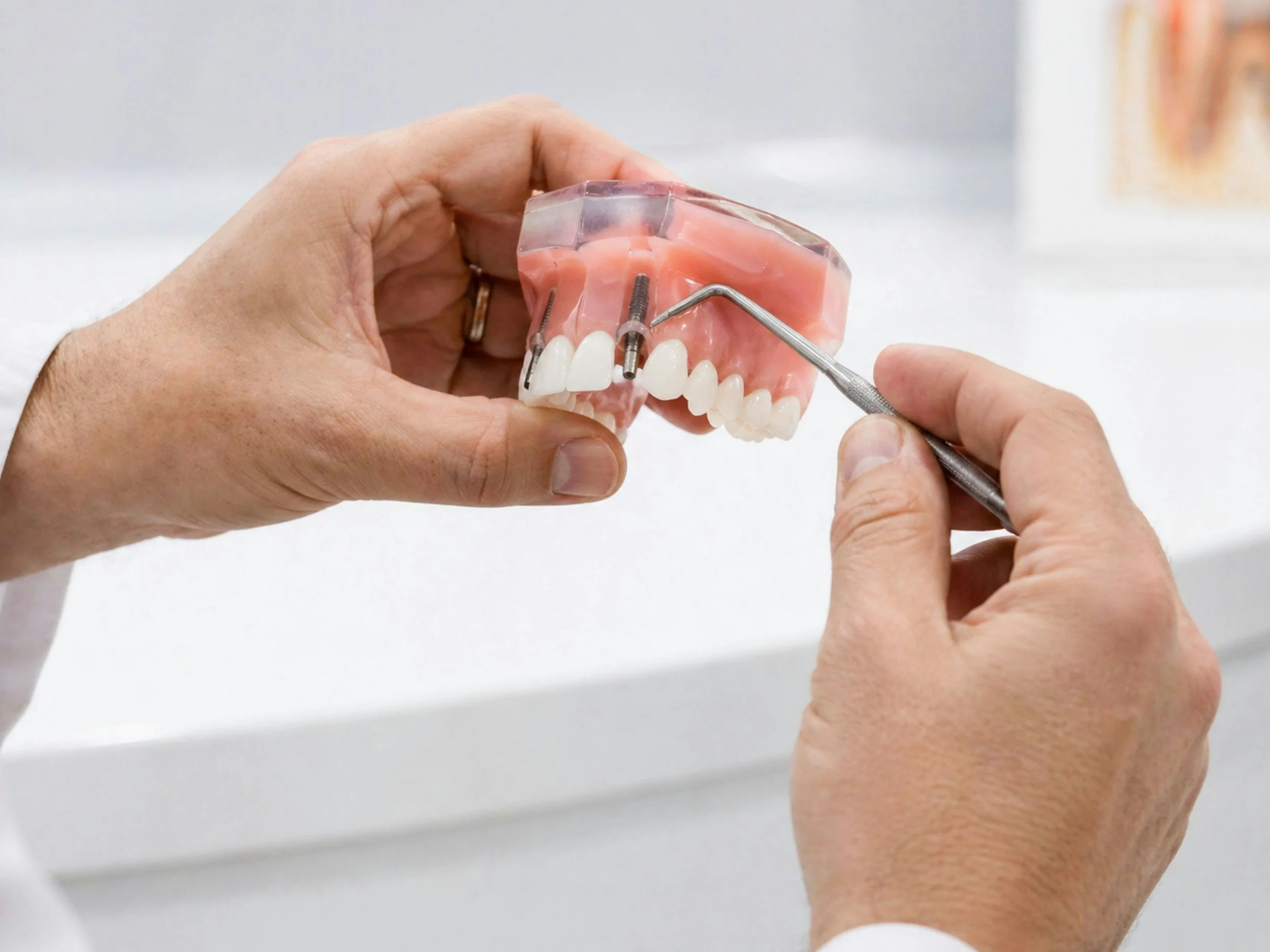
Implant-supported dentures
Fixed dental bridges
Each option has different advantages, limitations, costs, and maintenance requirements. Your dentist can explain which choices may be suitable for your individual situation.
Replacing Teeth After Extractions
If teeth need to be removed, planning for replacement can often begin before the extraction appointment.
Immediate dentures may allow replacement teeth to be placed shortly after the extractions. Alternatively, the mouth may be allowed to heal before a traditional denture is created.
Your dentist will discuss the timing that best suits your oral health, treatment needs, and preferences.
Caring for Your Smile at Brighouse Dental
At Brighouse Dental, we take the time to evaluate your oral health and discuss the denture options available to you. Our goal is to create a treatment plan that supports comfort, appearance, function, and long-term oral health.
Whether you need a partial denture, complete denture, or immediate denture following extractions, our team can guide you through each stage of the process.
Book a Denture Consultation
If missing or damaged teeth are affecting your ability to eat, speak, or smile comfortably, a professional assessment can help you understand your replacement options.
Contact Brighouse Dental to learn more about dentures and determine which treatment approach may be most suitable for you.