Fillings and Crowns
Restore and Protect Damaged Teeth
Fillings and crowns are restorative treatments used to repair teeth affected by decay, fractures, wear, or previous dental work. The goal is to preserve as much of the natural tooth as possible while restoring its strength, appearance, and everyday function.
At Brighouse Dental, we carefully examine the affected tooth and recommend treatment based on the amount of damage, the location of the tooth, and the pressure it receives when you bite. Treating problems early may help prevent further damage and reduce the need for more complex procedures.
When a Tooth May Need Treatment
Tooth decay does not always cause discomfort in its early stages. As it progresses, the tooth may become sensitive, painful, or more difficult to repair. Fillings or crowns may also be recommended for teeth that have become cracked, worn, weakened, or damaged by an injury.
Signs that a tooth should be assessed may include:
Sensitivity to hot, cold, or sweet foods
Discomfort when biting or chewing
A visible hole, dark area, crack, or chip
Food repeatedly becoming trapped around a tooth
A rough, loose, or broken filling
A tooth that feels weaker than before
Damage identified during an examination or X-ray
Some dental problems develop without obvious symptoms, which is why routine examinations are important for early detection.
Dental Fillings
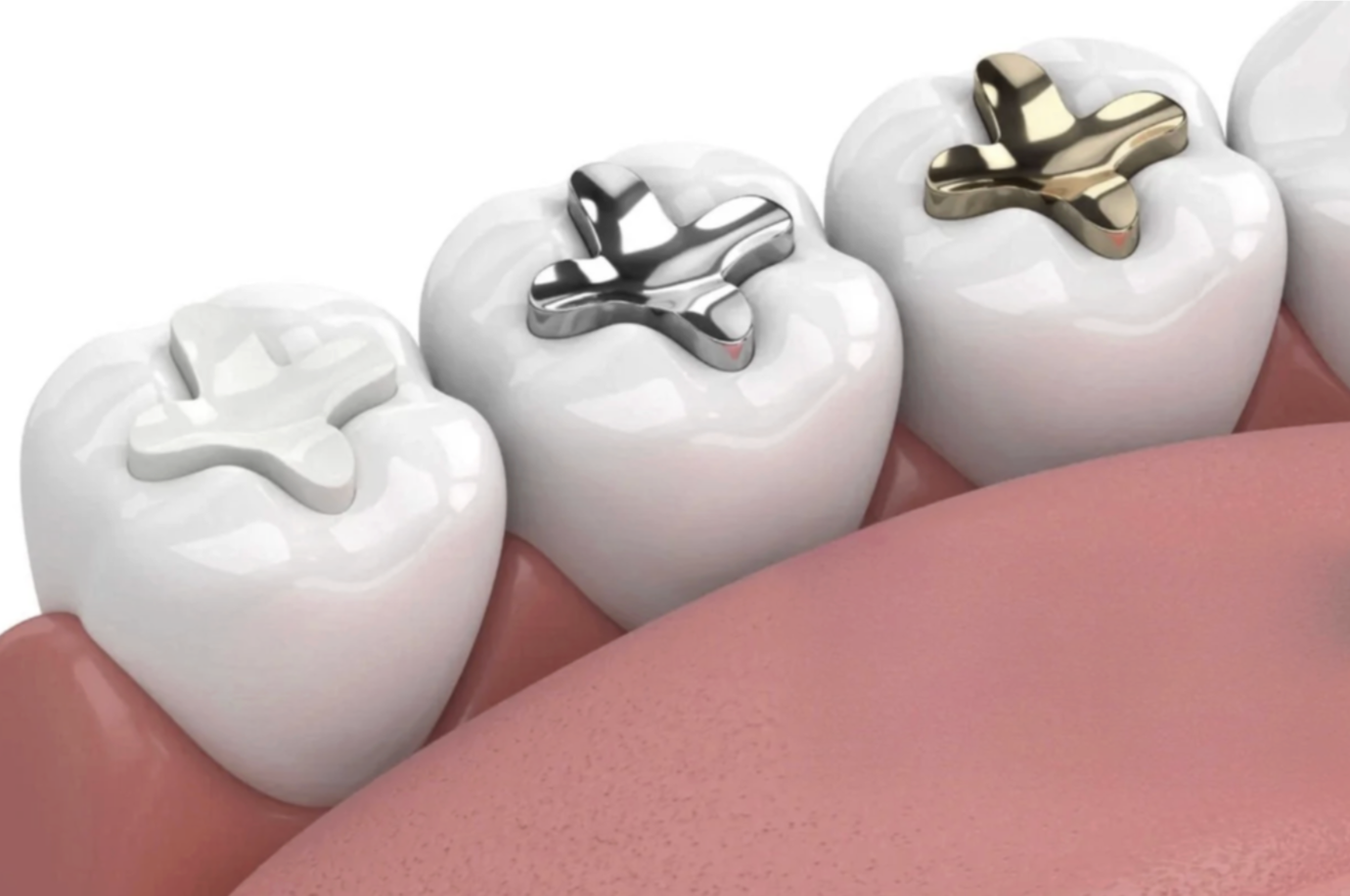
A dental filling is generally used when a small or moderate area of the tooth has been damaged by decay or minor fracture. The affected portion is removed, the area is cleaned, and a restorative material is placed to rebuild the tooth.
Fillings help seal the damaged area, restore the shape of the tooth, and allow it to function normally. Tooth-coloured materials may be selected to blend with the surrounding enamel, depending on the tooth’s location and individual treatment needs.
When a Filling May Be Appropriate
A filling may be recommended when:
Decay is limited to a repairable area
A small section of the tooth has chipped or fractured
An older filling has become loose, worn, or damaged
Enough healthy tooth structure remains to support the restoration
The tooth requires a conservative repair rather than full coverage
The most suitable material and treatment approach will depend on the size and position of the cavity, the condition of the tooth, and your individual oral-health needs.
Dental Crowns
A crown, sometimes called a cap, covers the visible portion of a tooth. It may be recommended when the tooth has lost too much structure to be reliably restored with a filling alone.
Crowns are designed to strengthen and protect weakened teeth while restoring their shape, appearance, and function. They are commonly used for teeth with large fillings, significant fractures, or previous root canal treatment.
When a Crown May Be Recommended
A crown may be considered when:
A large portion of the tooth is damaged or missing
A large filling no longer provides enough support
The tooth is cracked, fractured, or severely worn
The tooth has been weakened by extensive decay
Additional protection is needed after root canal treatment
The shape or appearance of a damaged tooth needs restoration
Your dentist will assess whether a crown is necessary or whether a more conservative restoration can provide suitable protection.
Choosing Between a Filling and a Crown
The main difference is the amount of support the tooth requires. A filling replaces a smaller damaged section, while a crown surrounds and protects most of the visible tooth.
Whenever appropriate, the more conservative option may be selected. However, placing a filling in a severely weakened tooth may not provide enough strength and could leave the tooth vulnerable to further fracture. Your dentist will explain the condition of the tooth and why a particular restoration is being recommended.
What to Expect During a Filling
The area is numbed as needed to support your comfort. The damaged or decayed tissue is removed, and the tooth is cleaned and prepared.
The filling material is then placed, shaped, and polished. Your bite will be checked to ensure that the restored tooth feels comfortable when your teeth come together. Many fillings can be completed during one appointment.
What to Expect During Crown Treatment
Preparing a tooth for a crown generally involves removing damaged material and carefully shaping the remaining tooth so the restoration can fit securely.
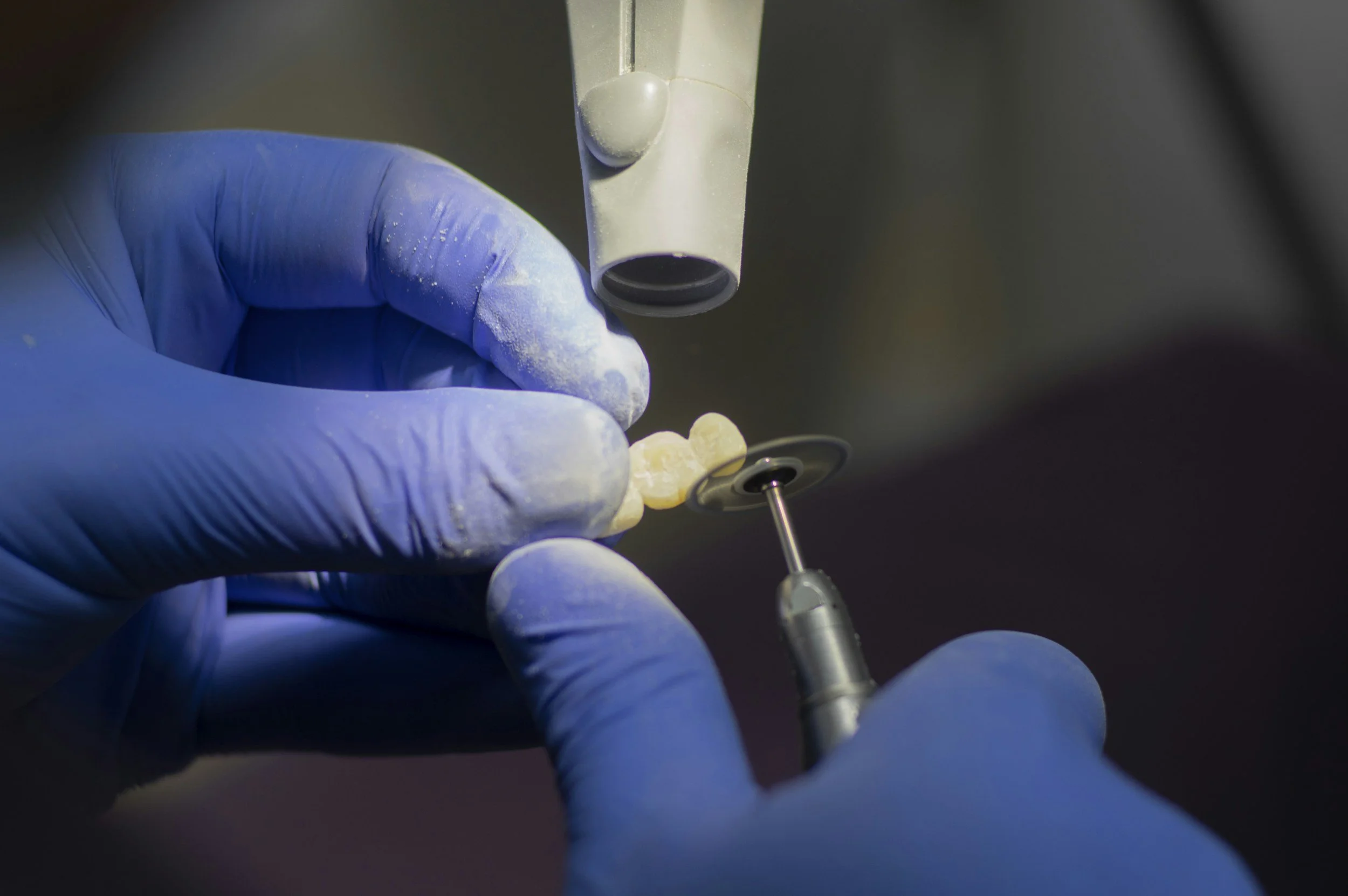
A digital scan or impression may then be taken to create a crown that matches your bite and surrounding teeth. Depending on the treatment process, a temporary crown may be placed while the final restoration is being prepared. At a later appointment, the completed crown is checked for fit, appearance, and comfort before being securely attached.
After Your Treatment
Temporary sensitivity may occur after a filling or crown, particularly when the original decay was deep or the tooth required extensive preparation. This usually improves as the tooth settles.
Contact the clinic if you notice:
Persistent or increasing discomfort
Pain when biting
A restoration that feels unusually high
A loose, cracked, or damaged filling or crown
Swelling or other unexpected symptoms
An early adjustment or examination can help prevent additional irritation or damage.
Caring for Fillings and Crowns
Fillings and crowns still require consistent oral care. Decay can develop around the edges of a restoration, and the surrounding gums must remain healthy.
To protect restored teeth:
Brush twice daily with fluoride toothpaste
Clean between the teeth every day
Avoid frequently biting very hard objects
Attend regular examinations and professional cleanings
Have loose, worn, or damaged restorations assessed promptly
No restoration lasts forever, but good oral hygiene and regular dental care can help extend its lifespan.
Early Care Can Prevent More Complex Treatment
A small cavity may initially require only a filling. If decay continues to spread, the tooth may eventually require a crown, root canal treatment, or extraction.
Having changes examined early gives your dentist more opportunities to preserve healthy tooth structure and provide simpler, more conservative care.
Restorative Care at Brighouse Dental
At Brighouse Dental, we evaluate each tooth carefully before recommending a filling or crown. Our team will explain the condition of your tooth, review the available options, and create a treatment plan based on its strength, appearance, function, and long-term health.
Book a Dental Assessment
Sensitivity, discomfort, visible damage, or a broken restoration should be professionally assessed. Contact Brighouse Dental to determine whether a filling, crown, or another treatment is most appropriate for your tooth.