Dental Implant
Restore Your Smile with Confidence
Dental implants are a durable, natural-looking solution for replacing missing teeth. They are designed to restore the appearance of your smile while improving everyday functions such as chewing and speaking.
Unlike removable tooth-replacement options, dental implants are secured within the jawbone to provide a stable foundation for a custom dental crown. With proper care, they can offer reliable, long-term support and help you feel more comfortable and confident in your smile.
What Is a Dental Implant?
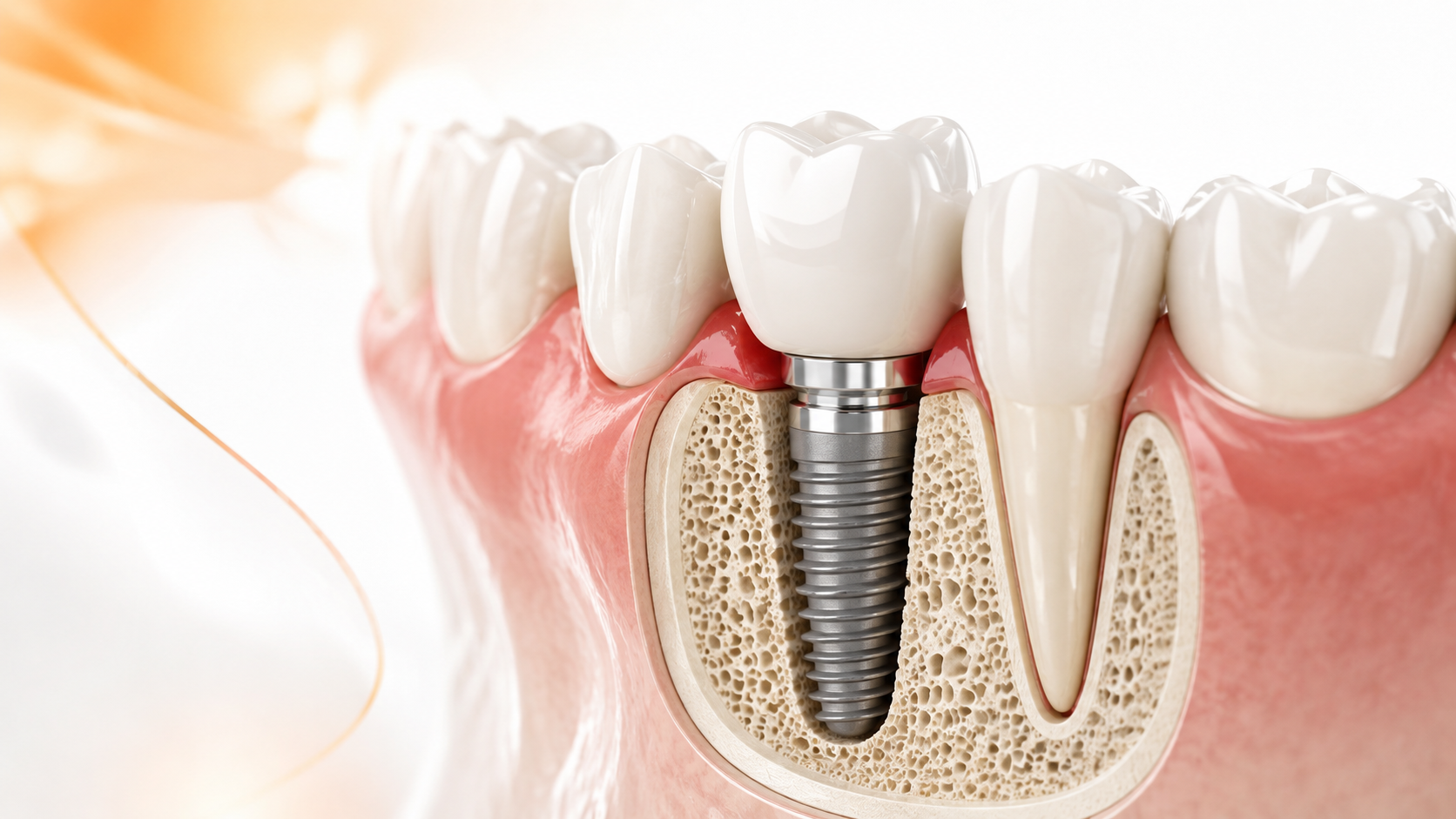
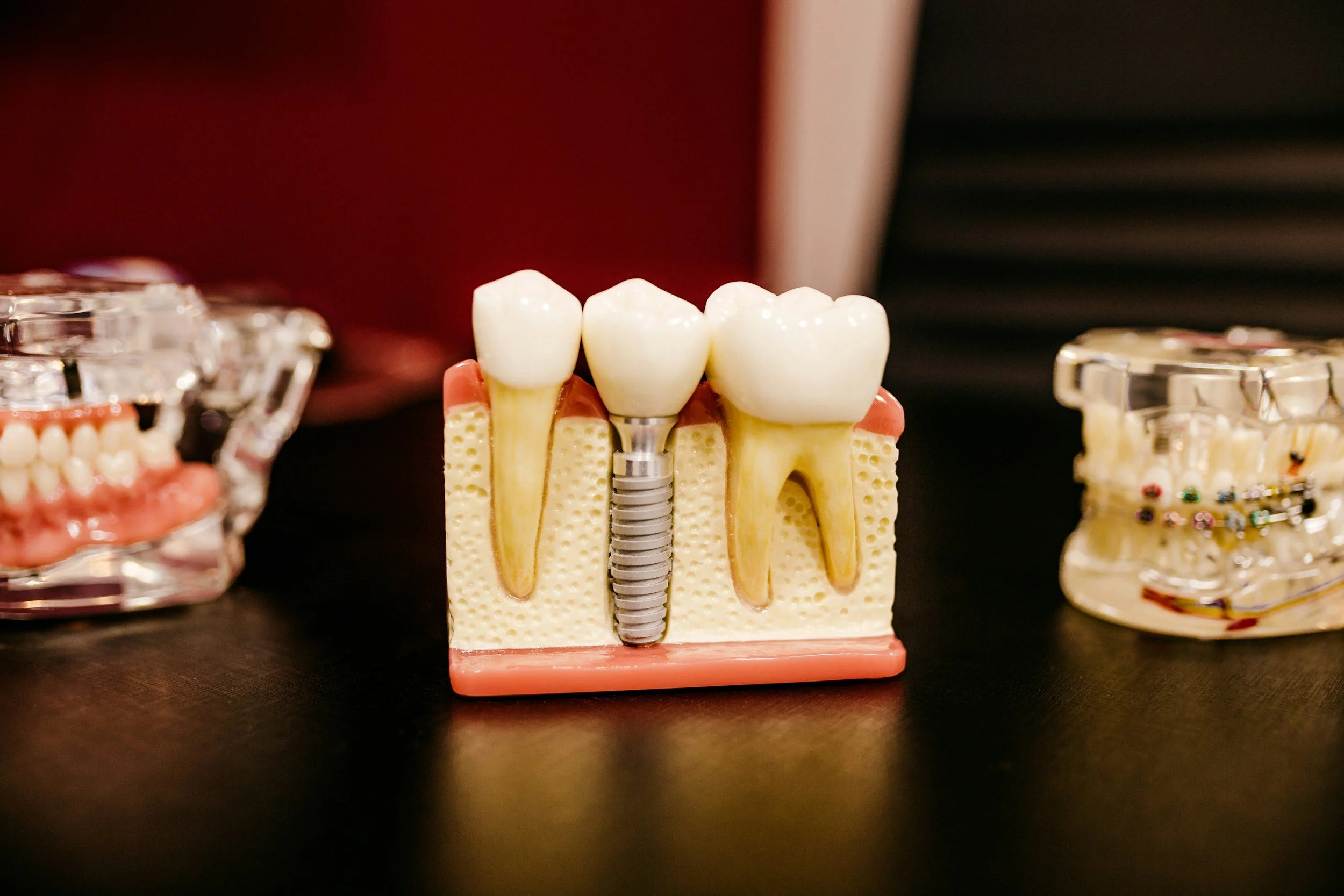
A dental implant is a small titanium post that is placed into the jawbone to replace the root of a missing tooth. After the area has healed, a custom-made crown is attached to the implant to complete the restoration.
The final result is designed to look, feel, and function similarly to a natural tooth. Dental implants may be used to replace a single missing tooth, several teeth, or to support certain types of dentures.
Benefits of Dental Implants
Dental implants can provide several important benefits, including:
A natural-looking tooth replacement
Improved chewing and speaking ability
Greater stability than removable options
Support for the surrounding teeth and bite
Preservation of the jawbone in the missing-tooth area
A personalized restoration designed to match your smile
Because each patient’s needs are different, we carefully assess your oral health before recommending treatment.
When Should You Consider a Dental Implant?
A dental implant may be worth considering when a missing or severely damaged tooth is affecting your comfort, appearance, or ability to chew. Replacing the tooth sooner can also help protect the surrounding teeth and reduce bone loss in the area.
You may benefit from an implant consultation if:
You have one or more missing teeth
A tooth cannot be repaired and may need extraction
A bridge or removable denture feels uncomfortable or unstable
You want a fixed, long-term tooth-replacement option
Missing teeth are affecting your speech, chewing, or confidence
You have recently lost a tooth and want to discuss replacement options
It is helpful to arrange a consultation soon after losing a tooth. However, patients who have had missing teeth for many years may still be candidates for implants. Bone grafting or a sinus lift may be recommended when additional support is needed.
What Happens If a Missing Tooth Is Not Replaced?
Leaving a space untreated may cause nearby teeth to shift gradually into the gap. This can affect your bite, make cleaning more difficult, and place uneven pressure on the remaining teeth.
The jawbone in the missing-tooth area may also begin to shrink because it is no longer stimulated by a natural tooth root. Dental implants can help maintain bone and provide stable support for a replacement tooth.
Am I a Good Candidate?
Many adults with missing teeth can be considered for dental implants. Suitable candidates generally have healthy gums, sufficient jawbone, and overall health that supports healing.
Smoking, uncontrolled gum disease, certain medical conditions, and some medications may influence treatment. These factors do not always prevent implant treatment, but they should be carefully reviewed during your consultation.
How Long Does Implant Treatment Take?
The length of treatment varies for each patient. After the implant is placed, the area usually requires time to heal and form a stable connection with the jawbone before the final crown is attached.
Additional procedures, such as bone grafting or a sinus lift, may extend the treatment timeline. Your dentist will explain the expected stages and timing based on your individual needs.
Are Dental Implants Painful?
Implant placement is performed using appropriate local anaesthesia to keep you comfortable during the procedure. Some temporary tenderness, swelling, or sensitivity may occur afterward and can usually be managed with the aftercare instructions provided by your dental team.
How Long Do Dental Implants Last?
Dental implants are designed as a long-term tooth-replacement option. Their lifespan depends on factors such as oral hygiene, gum health, general health, smoking, and regular dental maintenance.
Daily brushing and flossing, along with routine dental examinations and professional cleanings, can help protect the tissues surrounding the implant.
Book an Implant Consultation
Replacing a missing tooth can improve comfort, function, and confidence. Contact Brighouse Dental to learn more about dental implants and receive a treatment plan tailored to your individual needs.